
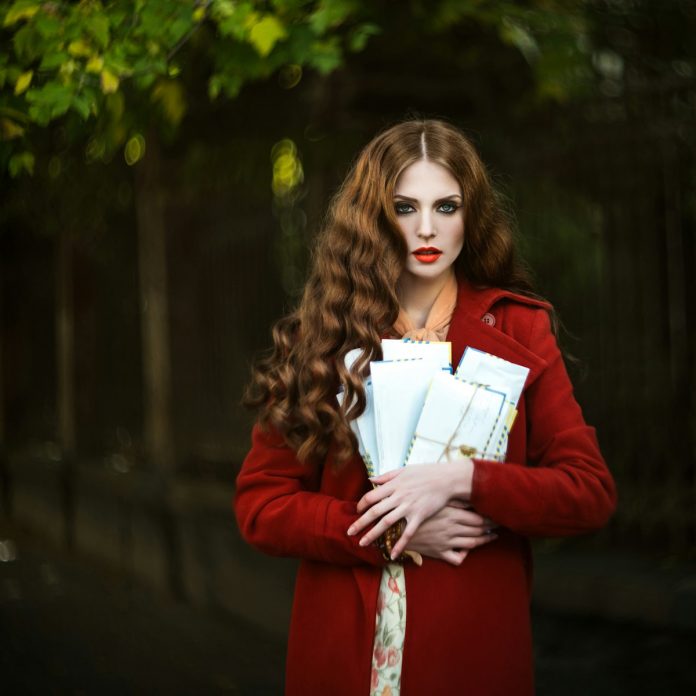
Fashion has always been cyclical, but vintage style holds a special kind of magic. It carries history, craftsmanship, and character that modern clothing often struggles to replicate. Yet wearing vintage today is no longer about recreating the past exactly as it was. Instead, it’s about interpretation—selecting elements from earlier eras and blending them seamlessly into contemporary life. A modern wardrobe enriched with vintage inspiration feels thoughtful, expressive, and refreshingly individual.
One of the greatest appeals of vintage style is its authenticity. Older garments were often made with durability and detail in mind, from tailored seams to quality fabrics. Incorporating vintage pieces into a modern wardrobe allows wearers to step away from mass-produced uniformity and embrace clothing with a story. However, the key to making vintage work today lies in balance. When styled intentionally, vintage elements enhance modern outfits without feeling like costumes.
A strong starting point is understanding which vintage silhouettes translate well into the present. Classic cuts tend to age better than overly trend-driven shapes. High-waisted trousers, midi skirts, structured blazers, and crisp button-down shirts are examples of timeless designs that adapt easily to modern styling. Pairing a vintage blazer with contemporary denim or minimalist sneakers instantly grounds the look in the present, allowing the vintage piece to stand out naturally.
Modern wardrobes benefit greatly from vintage-inspired outerwear. Coats and jackets from previous decades often feature strong tailoring and distinctive details. A wool trench, a leather jacket with subtle wear, or a structured coat with bold lapels can elevate even the simplest outfit. When worn over modern basics, these pieces create contrast that feels intentional and sophisticated rather than nostalgic.
Color plays a subtle yet important role in blending vintage and modern aesthetics. Many vintage garments feature muted tones, earthy shades, or soft pastels that differ from today’s fast-changing color trends. Integrating these hues into a modern wardrobe adds warmth and depth. A neutral base layered with a vintage piece in a rich brown, olive, or dusty blue can feel both grounded and stylish. The goal is cohesion rather than replication of an era’s full palette.
Accessories are perhaps the easiest way to introduce vintage style without overwhelming a look. Belts, scarves, jewelry, and bags from past decades add character with minimal effort. A vintage silk scarf tied loosely around the neck or on a handbag introduces texture and color. A classic watch or subtle gold jewelry can bring quiet elegance. These small touches hint at history while remaining fully compatible with modern outfits.
Footwear also offers an opportunity to bridge old and new. Loafers, ankle boots, and simple heels inspired by earlier decades remain relevant today. When paired with contemporary clothing, they provide structure and polish. The key is to choose designs that feel timeless rather than overly ornate. Clean lines and quality materials ensure that vintage-inspired shoes complement modern silhouettes rather than competing with them.
One of the most effective ways to modernize vintage style is through mixing textures and fabrics. Pairing a vintage wool sweater with sleek modern trousers or layering a lace blouse under a sharp blazer creates visual interest. Texture prevents vintage pieces from feeling outdated by placing them in a fresh context. This contrast highlights the uniqueness of older garments while keeping the overall outfit current.
Personalization is central to making vintage style work today. Rather than trying to dress like a specific decade from head to toe, modern styling encourages selective inspiration. One person may be drawn to the elegance of the 1950s, while another prefers the relaxed feel of the 1970s. By choosing individual elements that resonate personally, vintage style becomes an extension of identity rather than an imitation of the past.
Tailoring plays an important role in adapting vintage clothing to modern bodies and tastes. Older garments may not always align with contemporary proportions, but small adjustments can make a significant difference. Shortening hems, adjusting waists, or refining sleeves allows vintage pieces to fit seamlessly alongside modern clothing. Tailoring preserves the character of the garment while enhancing wearability.
Sustainability is another reason vintage style has found renewed relevance. Incorporating vintage pieces into a modern wardrobe supports a more conscious approach to fashion. Rewearing existing garments reduces waste and challenges the cycle of disposable trends. This ethical dimension adds depth to personal style, proving that elegance and responsibility can coexist.
Modern wardrobes also benefit from the storytelling aspect of vintage fashion. Each piece carries a sense of history that enriches the act of dressing. Wearing vintage encourages curiosity and appreciation for craftsmanship, reminding people that clothing can be meaningful beyond its appearance. In a fast-paced fashion landscape, this sense of connection feels grounding and intentional.
Confidence is the final element that brings vintage and modern together. Vintage style stands out precisely because it isn’t uniform. Wearing it requires a level of self-assurance and comfort in one’s choices. When paired with modern pieces, vintage clothing feels fresh and expressive rather than dated. Confidence allows the wearer to define the look, not the era.
Ultimately, vintage style ideas for a modern wardrobe are not about looking backward, but about creating something new from what already exists. By blending timeless silhouettes, thoughtful accessories, modern tailoring, and personal expression, vintage fashion becomes a powerful tool for individuality. It offers a way to dress with intention, creativity, and respect for the past—while remaining firmly rooted in the present. In this balance between history and modernity, style becomes truly timeless.