
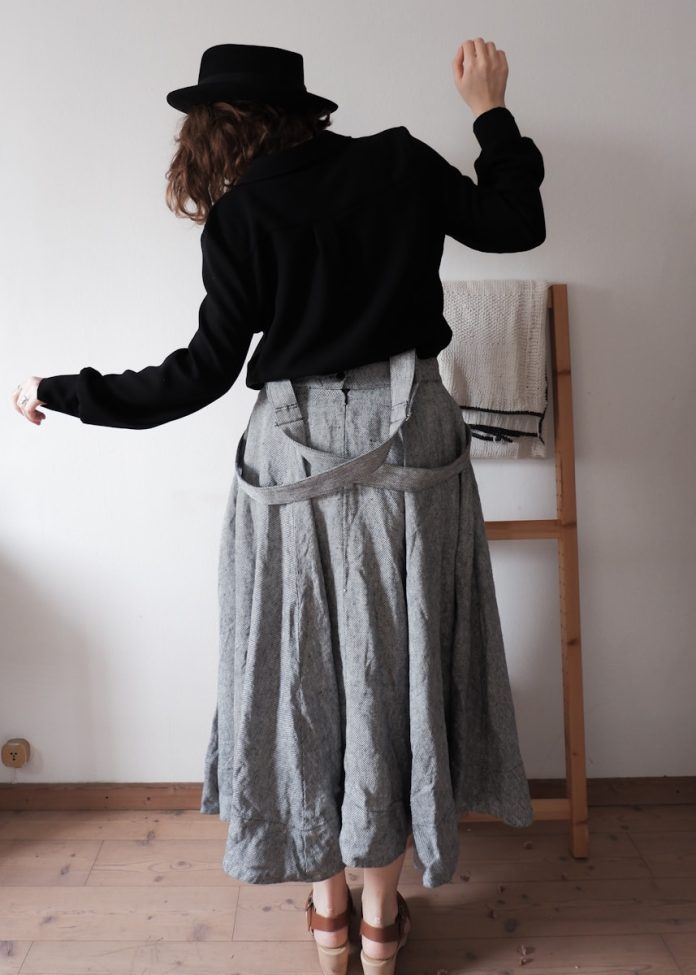
Fashion is often described as cyclical, but that description barely captures what is happening today. Vintage style trends are not simply returning as replicas of the past; they are being revived, reimagined, and reshaped to fit modern identities. From thrifted denim and structured blazers to retro prints and classic silhouettes, vintage fashion is once again at the center of style conversations. This comeback is not driven by nostalgia alone. It reflects deeper cultural shifts around individuality, sustainability, and the desire for authenticity in an increasingly fast-paced world.
One of the strongest reasons vintage style trends are making a comeback is the growing fatigue with fast fashion. For years, consumers were encouraged to buy more, buy often, and discard quickly. While this model made trends accessible, it also stripped clothing of meaning and longevity. Vintage fashion offers an alternative. Older garments often showcase higher-quality fabrics, stronger construction, and thoughtful design details that are rare in mass-produced modern clothing. Wearing vintage is no longer seen as impractical or outdated; it is increasingly viewed as a conscious and stylish choice.
Nostalgia certainly plays a role, but it is more complex than simply longing for the past. Different generations connect to vintage styles in different ways. For some, wearing vintage evokes personal memories or family history, creating emotional connections to clothing. For others, especially younger generations, vintage fashion feels new and rebellious. It offers a way to step outside mainstream trends and explore eras they never experienced firsthand. A 1970s-inspired jacket or a 1990s slip dress becomes a form of storytelling rather than imitation.
The modern revival of vintage style is also fueled by the desire for individuality. In an era dominated by social media and algorithm-driven trends, it is increasingly difficult to stand out. Vintage clothing, by nature, resists uniformity. Finding a unique piece in a thrift store or secondhand shop feels like a personal discovery, something that cannot be easily replicated. This sense of exclusivity is appealing in a world where many outfits are influenced by the same online sources. Vintage style allows people to curate looks that feel distinctly their own.
Another reason vintage trends are resurfacing is the renewed appreciation for craftsmanship. Older garments often feature tailoring, embroidery, and fabric choices that reflect slower production processes. Details such as hand-stitched seams, natural fibers, and durable hardware contribute to the lasting appeal of vintage clothing. As consumers become more educated about how clothes are made, many develop a deeper respect for pieces that have already stood the test of time. Vintage fashion becomes not just a style choice, but an acknowledgment of skill and artistry.
Pop culture has also played a significant role in the vintage comeback. Film, television, and music frequently draw inspiration from past decades, reintroducing classic looks to new audiences. When celebrities and influencers incorporate vintage pieces into their wardrobes, those styles gain renewed relevance. However, what makes today’s vintage revival different is that it rarely involves exact replicas. Instead, old elements are blended with modern ones. A retro blouse might be paired with contemporary trousers, or a vintage dress styled with modern footwear. This fusion keeps the look current while honoring its roots.
Sustainability is another major factor driving interest in vintage fashion. As awareness of environmental issues grows, many people are reconsidering their consumption habits. Buying vintage reduces demand for new production and extends the life cycle of clothing. This aligns with broader movements toward mindful living and reduced waste. Vintage style trends fit naturally into this mindset, offering beauty and character without contributing to overproduction. Fashion becomes less about constant replacement and more about thoughtful reuse.
The versatility of vintage styles also contributes to their popularity. Many classic silhouettes are surprisingly adaptable to modern life. High-waisted trousers, midi skirts, tailored coats, and button-down shirts can be styled in countless ways. These pieces often transcend seasonal trends, making them reliable staples rather than short-lived statements. Vintage fashion proves that practicality and style do not have to be opposites; in fact, they often complement each other.
Gender expression has found new freedom through vintage fashion as well. Many vintage pieces challenge modern assumptions about how clothing should be worn. Oversized suits, delicate blouses, bold prints, and structured outerwear are no longer confined to traditional gender categories. Vintage style encourages experimentation, allowing wearers to redefine garments on their own terms. This flexibility aligns with contemporary conversations about identity and self-expression, making vintage fashion feel especially relevant.
It is also important to note that vintage style is not about perfection. Signs of wear, slight fading, or subtle alterations are often embraced rather than hidden. These imperfections add character and history, reminding wearers that clothing can have a life beyond the moment it is purchased. In contrast to the polished uniformity of new fashion, vintage pieces feel human. They carry traces of past lives, journeys, and stories, which adds depth to personal style.
Ultimately, vintage style trends are making a fashion comeback because they offer something modern fashion often lacks: meaning. They invite people to slow down, explore, and connect with clothing on a deeper level. Vintage fashion is not about rejecting the present; it is about enriching it with the past. By blending old-world charm with contemporary sensibilities, today’s vintage revival creates space for creativity, sustainability, and individuality.
As fashion continues to evolve, vintage styles will likely remain a powerful source of inspiration. Not because they belong to another time, but because they remind us that good style does not expire. In a world constantly chasing the next new thing, vintage fashion stands as proof that some ideas are worth revisiting, rewearing, and reimagining.