
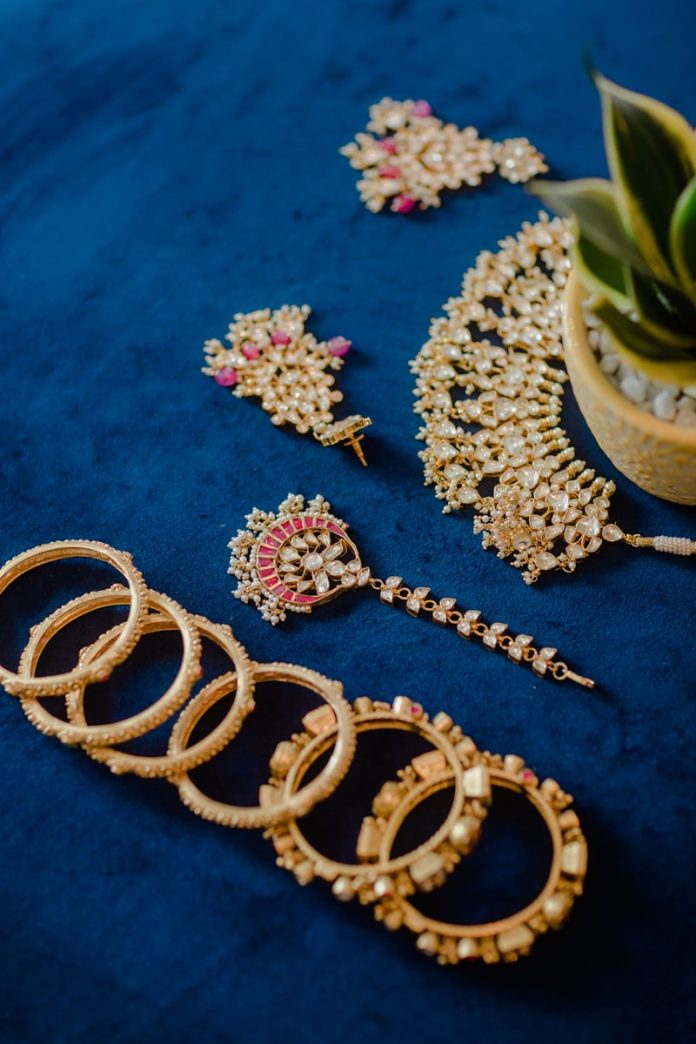
Jewelry has always carried meaning beyond decoration. It tells stories of eras, cultures, and personal moments frozen in metal and stone. In recent years, the fashion world has witnessed a renewed fascination with vintage-inspired jewelry. Rather than simply replicating the past, contemporary designers are reinterpreting historical aesthetics to suit modern lifestyles. This blend of old and new has created jewelry trends that feel both nostalgic and fresh, proving that timeless design never truly fades.
One reason vintage-inspired jewelry has gained popularity is its emotional depth. Unlike minimalist pieces that focus purely on form, vintage designs often carry symbolism and craftsmanship rooted in history. From Victorian mourning jewelry to Art Deco geometric motifs, each era brought a distinct visual language. Today’s designers draw from these influences to create pieces that feel personal and meaningful. Wearing jewelry inspired by the past allows individuals to connect with history while expressing their own identity in the present.
The Victorian era has become a major source of inspiration for modern jewelry trends. Known for intricate detailing, romantic motifs, and symbolic gemstones, Victorian jewelry emphasized emotion and storytelling. Lockets, cameos, and ornate rings have re-emerged in contemporary collections, often simplified for everyday wear. Designers retain the essence of these pieces while updating them with lighter materials and refined silhouettes. The result is jewelry that feels intimate and expressive without appearing outdated.
Art Deco influences have also made a strong comeback, particularly in statement jewelry. Originating in the early twentieth century, Art Deco designs are characterized by bold geometry, symmetry, and contrasting materials. Modern interpretations of this style feature clean lines, sharp angles, and striking color combinations. Earrings, cuffs, and cocktail rings inspired by this era add structure and confidence to contemporary outfits. These designs appeal to those who appreciate glamour with a sense of order and strength.
Another vintage influence shaping current jewelry trends comes from the mid-century period. Jewelry from the 1950s and 1960s emphasized elegance, balance, and wearability. Pearl necklaces, gold bangles, and understated gemstone pieces defined this era. Today, these classics are being reintroduced with subtle updates, such as mixed metals or unconventional settings. The appeal lies in their versatility. Mid-century-inspired jewelry transitions easily from casual to formal settings, making it well-suited to modern wardrobes.
Handcrafted details play a crucial role in the revival of vintage-inspired jewelry. In contrast to mass-produced accessories, these designs highlight visible craftsmanship. Engraving, filigree work, and hand-set stones are increasingly valued by consumers seeking authenticity. This appreciation for artisanal techniques reflects a broader shift toward mindful consumption. Jewelry inspired by vintage designs often feels more permanent and intentional, encouraging people to invest in fewer, more meaningful pieces.
The use of antique-style gemstones has further strengthened the connection to the past. Rose-cut diamonds, colored sapphires, garnets, and opals are frequently featured in vintage-inspired collections. These stones offer a softer, more organic appearance compared to modern precision cuts. Their subtle imperfections add character, reinforcing the idea that beauty does not require uniformity. Designers are embracing these qualities to create jewelry that feels warm, romantic, and uniquely individual.
Sustainability has also contributed to the popularity of vintage-inspired jewelry. Recycled metals, repurposed stones, and heirloom redesigns align with environmentally conscious values. Many designers view vintage aesthetics as a natural extension of sustainable practices, as they emphasize longevity rather than fast trends. By creating jewelry meant to last generations, designers encourage emotional attachment and responsible consumption. This approach resonates strongly with consumers who value both ethics and aesthetics.
Layering has emerged as a key trend influenced by vintage jewelry traditions. Historically, jewelry was often worn in multiples, with necklaces, rings, and bracelets layered to signify status or personal meaning. Modern styling embraces this idea by combining delicate chains, stacking rings, and mixing textures. Vintage-inspired pieces work particularly well in layered looks because of their intricate details and varied shapes. This trend allows wearers to personalize their jewelry combinations, creating a look that evolves over time.
Cultural heritage has also played a role in shaping vintage-inspired jewelry trends. Designers are drawing inspiration from traditional adornment styles across different regions, blending historical references with contemporary design. This global perspective enriches the jewelry landscape, introducing diverse motifs and techniques. When approached with respect and understanding, these influences celebrate craftsmanship and cultural continuity rather than imitation.
Despite their historical roots, vintage-inspired jewelry designs feel remarkably relevant today. They complement modern fashion by adding depth and contrast to minimalist clothing styles. A simple outfit can be transformed by a detailed ring or a bold necklace inspired by another era. This balance between simplicity and ornamentation reflects current fashion preferences, where individuality is valued over uniformity.
Ultimately, jewelry trends inspired by vintage designs highlight a desire for connection, meaning, and lasting beauty. In a fast-paced world driven by constant change, these pieces offer a sense of continuity. They remind wearers that style is cyclical and that inspiration often comes from revisiting the past with fresh perspective.
By blending historical influence with modern craftsmanship, vintage-inspired jewelry bridges generations. It honors the artistry of earlier eras while adapting to contemporary tastes and values. As trends continue to evolve, one thing remains clear: the past will always have a place in shaping the future of jewelry, proving that true elegance is timeless.