
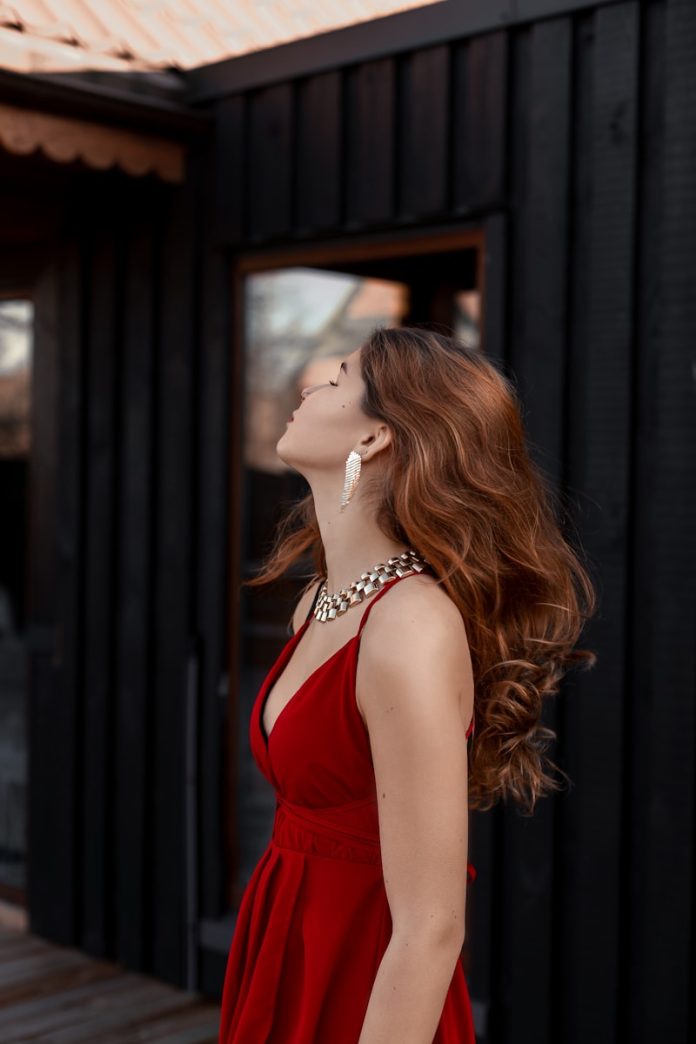
Style is often misunderstood as something superficial, reserved for special events or people with unlimited wardrobes. In reality, smart style is less about chasing trends and more about understanding how clothing works in real life. It’s about knowing what to wear, when to wear it, and why it makes sense for the occasion. From casual mornings to formal evenings, from professional settings to relaxed social moments, dressing well is a skill—one that can be learned, refined, and adapted over time.
At the heart of smart style is intention. Clothes communicate before you speak, often shaping first impressions and setting the tone for interactions. That doesn’t mean you must dress to impress constantly, but it does mean being aware of context. The smartest dressers are not those with the most clothes, but those who know how to choose the right pieces for the right moments.
One of the most important foundations of smart style is understanding fit. No matter the occasion, clothes that fit well instantly elevate your appearance. A simple shirt that sits properly on the shoulders and falls cleanly along the torso will always look better than an expensive one that doesn’t fit. Tailoring is often overlooked, yet it’s one of the easiest ways to make everyday clothing look intentional. Whether it’s adjusting the hem of trousers or refining the waist of a jacket, small changes can dramatically improve how an outfit feels and looks.
When it comes to casual settings, smart style doesn’t mean being overdressed. It means appearing effortless without looking careless. Well-chosen basics—clean sneakers, structured denim, quality T-shirts, relaxed button-downs—create a polished foundation. Neutral colors such as white, beige, navy, gray, and olive allow for easy mixing while still looking thoughtful. Casual style works best when it’s clean, balanced, and comfortable, reflecting confidence rather than laziness.
Professional environments demand a different approach. Smart workwear begins with understanding the culture of your workplace. Some offices lean formal, others encourage creativity, and many exist somewhere in between. Dressing smartly at work means aligning with expectations while still expressing subtle personality. Crisp shirts, tailored trousers, simple dresses, blazers, and clean shoes form a reliable framework. Colors should feel calm and composed, with occasional accents—a patterned tie, textured fabric, or unique accessory—to avoid looking generic. The goal is to appear capable and dependable without blending into the background.
For formal occasions, smart style becomes more structured, but that doesn’t mean rigid. Weddings, ceremonies, evening events, and celebrations often come with unspoken dress codes. Paying attention to details such as fabric, silhouette, and proportion matters more here than anywhere else. Well-pressed garments, polished shoes, and thoughtful accessories signal respect for the occasion. At the same time, elegance doesn’t require discomfort. Choosing clothes that allow movement and confidence ensures that you look present, not preoccupied with your outfit.
Social gatherings sit somewhere between casual and formal, making them surprisingly tricky. Smart style in these moments relies on versatility. A jacket layered over a relaxed outfit, a dress paired with understated footwear, or refined accessories can quickly adapt your look to different settings. These occasions reward balance—looking like you made an effort, but not so much that it feels forced. Often, one elevated element is enough to transform a simple outfit into something memorable.
Another key aspect of smart style is understanding color and texture. You don’t need bold palettes to stand out. Often, combining different textures—cotton with leather, wool with denim, silk with knitwear—adds depth and interest without being loud. Color works best when it complements rather than competes. Smart dressers know when to keep things neutral and when to introduce contrast. This sensitivity to balance makes outfits feel cohesive rather than chaotic.
Accessories play a quiet but powerful role in dressing well for any occasion. A watch, belt, bag, scarf, or piece of jewelry can subtly shift the tone of an outfit. The smartest approach is restraint. Accessories should support the look, not overpower it. Choosing quality over quantity ensures that even minimal additions feel deliberate. Over time, signature accessories can become part of your identity, instantly recognizable and consistently appropriate.
Footwear deserves special attention, as it often determines whether an outfit feels complete. Shoes ground the look, both visually and practically. Smart style means choosing shoes that match the formality of the occasion while remaining functional. Clean sneakers for casual days, loafers or boots for semi-formal settings, and polished dress shoes for formal events provide a flexible rotation. Comfort matters more than trends, especially when shoes affect posture, movement, and confidence.
One of the most underrated smart style tips is dressing for yourself first. While occasions set guidelines, personal comfort and authenticity should never be ignored. Clothes that feel wrong—too tight, too flashy, too unfamiliar—will always show in body language. Smart style aligns external appearance with internal comfort, allowing you to move naturally and engage fully with your environment. Confidence is not something clothing creates, but the right clothing allows it to surface.
Seasonal awareness is another element of dressing intelligently. Fabrics, layers, and silhouettes should respond to weather rather than fight it. Lightweight materials in warmer months and structured layers in colder seasons help outfits feel appropriate and functional. Ignoring seasonal cues often results in discomfort, which undermines even the best styling intentions.
Perhaps the most valuable style skill is adaptability. Life is unpredictable, and occasions don’t always fit neatly into categories. Smart dressers learn to build wardrobes that transition easily—pieces that can be dressed up or down, layered or simplified. This flexibility reduces stress and makes getting dressed an intuitive process rather than a daily challenge.