
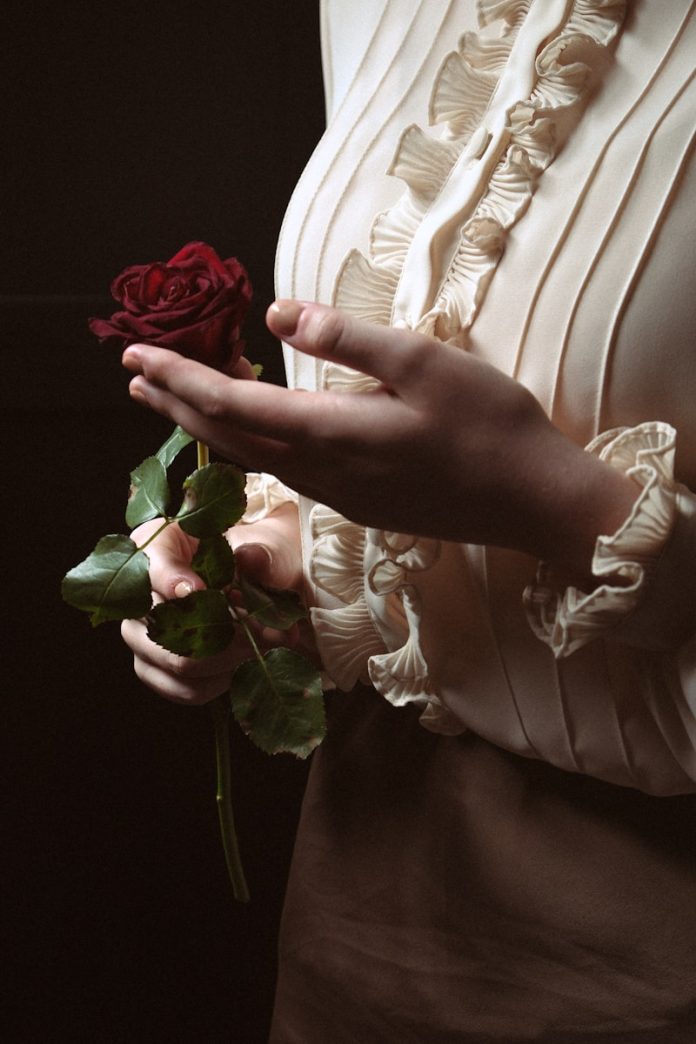
Fashion is often described as cyclical, but that description doesn’t fully capture what’s happening in modern style. Today, it’s not just that trends return—it’s that they collide. Vintage fashion and contemporary design now exist side by side in a way that feels intentional, personal, and creatively charged. Mixing vintage style with contemporary fashion is no longer a niche interest for collectors or stylists; it has become one of the most authentic ways people express individuality in an era of fast trends and mass production.
At its core, blending old and new is about balance. Vintage clothing carries history, character, and a sense of craftsmanship that many modern garments lack. Contemporary fashion, on the other hand, offers clean lines, updated fits, and materials designed for today’s lifestyles. When combined thoughtfully, these elements create outfits that feel layered not just in fabric, but in meaning. The result is a style that feels lived-in rather than staged, curated rather than copied.
One reason this approach has gained such popularity is the emotional pull of vintage pieces. A worn leather jacket, a structured blazer from decades past, or a delicate silk blouse carries traces of another time. These items feel personal, even when newly acquired, because they already have a story. Pairing them with modern staples—sleek denim, minimalist sneakers, or tailored trousers—grounds that nostalgia in the present. The outfit becomes a conversation between eras, rather than a costume frozen in the past.
Fit plays a crucial role in making vintage-modern combinations work. Vintage clothing often follows different proportions than contemporary fashion. High-rise trousers, boxy jackets, or cropped silhouettes may feel unfamiliar at first. Rather than forcing vintage items to mimic modern fits, smart styling allows contrast to do the work. An oversized vintage sweater can look intentional when paired with slim contemporary pants. A fitted modern top can balance wide-leg vintage jeans. This interplay of shapes creates visual interest and keeps the look from feeling outdated.
Another key element is restraint. Mixing eras doesn’t mean wearing everything vintage at once. In fact, the most successful outfits often rely on one standout vintage piece supported by modern essentials. A 1970s coat over a modern monochrome outfit, or a vintage band tee styled with contemporary tailoring, allows the older item to shine without overwhelming the look. This approach respects the uniqueness of vintage while maintaining relevance.
Accessories are one of the easiest entry points into blending vintage and contemporary style. Antique jewelry, classic watches, silk scarves, and structured handbags can instantly add depth to modern outfits. These smaller details carry a sense of refinement and personality without requiring a full wardrobe shift. A modern dress paired with a vintage brooch or heirloom necklace transforms from generic to distinctive, proving that style often lives in the details.
Color and texture also play an important role in bridging the gap between eras. Vintage clothing often features richer fabrics and more tactile surfaces—wool, tweed, leather, silk—while contemporary fashion leans toward clean finishes and technical materials. Combining these textures adds complexity to an outfit. A smooth modern coat layered over a vintage knit, or a contemporary satin skirt paired with a worn denim jacket, creates contrast that feels intentional rather than accidental.
Mixing vintage with contemporary fashion also reflects a broader cultural shift toward sustainability. As awareness grows around the environmental impact of fast fashion, vintage shopping offers an alternative rooted in reuse and longevity. Choosing pre-loved clothing reduces waste while encouraging more thoughtful consumption. When vintage pieces are integrated into everyday wardrobes instead of reserved for special occasions, they become functional rather than symbolic. This practical approach to sustainability feels less like sacrifice and more like creative freedom.
There’s also an element of rebellion in this style approach. Modern fashion often pushes uniformity through trends that dominate social media and retail spaces simultaneously. Vintage fashion resists that sameness. No two vintage pieces age the same way, and many are truly one-of-a-kind. Mixing them with contemporary clothing allows individuals to participate in current fashion conversations without losing their sense of uniqueness. It’s a quiet refusal to look like everyone else.
Cultural awareness matters when blending eras. Vintage pieces come from specific social and historical contexts, and wearing them thoughtfully adds depth to personal style. Understanding where a garment comes from—whether it’s a military jacket, a tailored suit, or a handmade dress—adds intentionality. When paired with modern pieces, these garments are no longer relics; they become active participants in today’s fashion narrative.
Confidence is the final ingredient that makes this mix work. Vintage clothing often draws attention because it feels different. Wearing it alongside contemporary pieces requires trust in personal taste rather than external validation. The goal isn’t to look trendy, but to look like yourself. When confidence leads the styling, even unexpected combinations feel natural.
What makes mixing vintage style with contemporary fashion so compelling is that it mirrors how people actually experience time. We don’t live solely in the present, disconnected from the past. Our identities are shaped by memory, influence, and reinvention. Clothing, when used creatively, reflects that complexity. A modern outfit anchored by a piece from another era becomes a wearable reminder that style isn’t linear—it’s layered.
Ultimately, blending vintage and contemporary fashion isn’t about rules or formulas. It’s about curiosity and experimentation. It invites people to slow down, to search for pieces with meaning, and to style them in ways that feel honest. In a world where trends move quickly and originality often feels diluted, this approach offers something rare: authenticity.
By allowing the past and present to coexist in a single outfit, fashion becomes more than seasonal—it becomes personal. And in that space between eras, style finds its most enduring form.