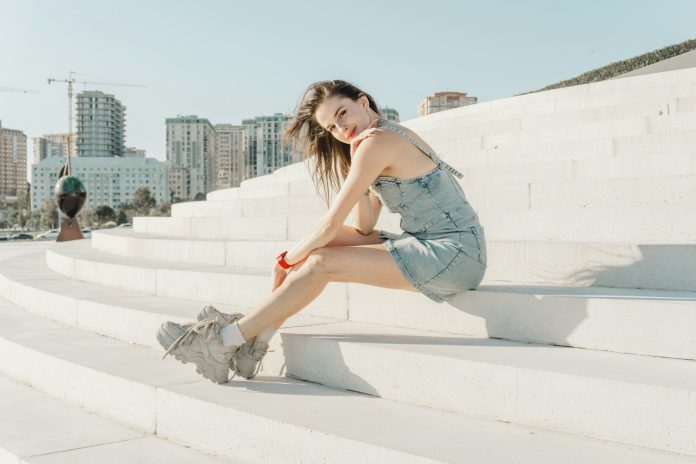
Fashion never exists in a vacuum. Each year, the clothes we see on runways, streets, and social media feeds quietly narrate a larger story about culture, technology, identity, and even anxiety. This year’s fashion trends are no exception. Rather than being driven by a single dominant look, today’s style landscape is defined by contrast: softness against structure, nostalgia meeting futurism, and extravagance coexisting with restraint. The result is a fashion moment that feels deeply personal, expressive, and refreshingly human.
One of the most striking developments this year is the return of intentional dressing. After years of comfort-first fashion dominating wardrobes, people are once again experimenting with silhouettes, textures, and details that feel deliberate. This doesn’t mean abandoning comfort altogether; instead, designers are redefining it. Tailored trousers now come with elastic waists hidden beneath sharp pleats, and blazers are cut with room to move while still maintaining a polished profile. The message is clear: clothing can be both functional and expressive without forcing a compromise.
Color plays a powerful role in this renewed sense of intention. Neutral palettes still hold their ground, but they are being challenged by bold, emotionally charged hues. Deep reds, electric blues, and unexpected shades of green are appearing across collections, often styled in monochromatic looks that feel confident rather than loud. These colors aren’t simply decorative; they signal a desire for optimism and visibility in uncertain times. Wearing color becomes a quiet act of self-assertion, a way of saying “I’m here” without saying a word.
Alongside this embrace of color is a renewed fascination with texture. This year’s fashion leans heavily into tactile experiences, inviting touch as much as visual appreciation. Sheer fabrics layered over heavier materials, soft knits paired with leather, and metallic finishes offset by matte surfaces all create visual depth. Texture adds complexity to even the simplest outfit, making it feel considered and alive. It also reflects a broader cultural craving for sensory connection in a world that has become increasingly digital.
Nostalgia continues to influence fashion, but in a more selective and self-aware way than before. Rather than copying past decades wholesale, designers are borrowing specific elements and reinterpreting them for the present. Hints of the 1990s appear in low-rise details and minimalist silhouettes, while the early 2000s resurface through playful accessories and experimental layering. Even older references, such as structured shoulders or vintage tailoring, are softened and updated. This isn’t about reliving the past; it’s about reexamining it and choosing what still resonates.
At the same time, there is a noticeable shift toward individuality. Trends no longer dictate a single “right” way to dress. Instead, they offer a toolkit from which people can pick and choose. Personal styling has become as important as the clothes themselves. How an item is worn, layered, or accessorized often matters more than the item alone. This flexibility allows fashion to feel inclusive and adaptable, reflecting the diverse ways people live and move through the world.
Sustainability, once treated as a niche concern, is now embedded more deeply into the fashion conversation. While challenges remain, there is a visible effort to prioritize longevity over disposability. This year’s trends favor pieces that can be styled in multiple ways and worn across seasons. Timeless cuts, durable fabrics, and thoughtful construction are gaining value. Even when designs are bold, they are often grounded in practicality, encouraging consumers to build wardrobes rather than chase constant novelty.
This emphasis on longevity has also brought craftsmanship back into focus. Details like visible stitching, hand-finished edges, and artisanal techniques are being celebrated rather than hidden. These elements add character and authenticity, reminding wearers that clothing is made, not generated. In an age of fast content and instant gratification, such details feel grounding. They invite people to slow down and appreciate the process behind what they wear.
Accessories this year reflect a similar balance between expression and usefulness. Bags are designed to be carried, not just photographed, with practical sizes and adjustable features. Shoes blend comfort with statement-making design, offering bold shapes without sacrificing wearability. Jewelry trends lean toward personalization, with layered pieces, mixed metals, and symbolic charms allowing individuals to tell their own stories. Accessories are no longer afterthoughts; they are integral to how an outfit communicates identity.
Another defining aspect of this year’s fashion trends is the blurring of boundaries. Traditional distinctions between formal and casual, masculine and feminine, indoor and outdoor clothing are becoming less rigid. Fluid silhouettes, gender-neutral designs, and versatile pieces dominate collections. This shift reflects broader cultural movements toward inclusivity and self-definition. Fashion is increasingly about how something feels on the body rather than how it fits into predefined categories.
Technology also continues to influence fashion, though often in subtle ways. Innovative fabrics that regulate temperature, resist wrinkles, or adapt to movement are becoming more common. Digital fashion and virtual styling tools are shaping how people discover and interact with trends, even if the final expression remains physical. The fusion of technology and fashion isn’t about replacing tradition but enhancing it, offering new possibilities while respecting established techniques.
Street style remains a powerful driver of trends, perhaps more so than the runway. This year’s looks are heavily inspired by real people interpreting fashion in their own environments. Oversized layers, unexpected pairings, and creative reuse of older garments all reflect a grassroots approach to style. The influence flows both ways: designers watch the streets as closely as consumers watch the shows. This exchange keeps fashion dynamic and responsive rather than distant and prescriptive.
Ultimately, the top fashion trends to watch this year are less about specific garments and more about a mindset. They encourage curiosity, self-expression, and intentionality. They invite people to engage with fashion as a form of communication rather than consumption alone. Whether through color, texture, tailoring, or personal styling, this year’s trends empower individuals to define their own aesthetic narratives.
Fashion, at its best, mirrors the complexity of human experience. This year’s trends capture that complexity by embracing contradiction and choice. They acknowledge uncertainty while offering creativity, honor the past while looking forward, and celebrate individuality within a shared cultural moment. In doing so, they remind us that what we wear is never just about appearance—it’s about who we are, how we feel, and how we choose to show up in the world.