
Fashion has always been a mirror of its time. From the rigid silhouettes of the Victorian era to the rebellious spirit of 1970s streetwear, what people wear has consistently reflected cultural shifts, social movements, and changing values. In recent years, however, fashion has moved beyond simply responding to trends—it has begun to actively redefine what modern style means. Today’s fashion landscape is less about rigid rules and seasonal must-haves and more about individuality, sustainability, and the blending of once-opposing ideas. The trends shaping modern style are not just aesthetic choices; they represent a deeper transformation in how people express themselves through clothing.
One of the most powerful forces reshaping modern fashion is the rise of individuality over uniformity. For decades, trends dictated what was “in,” often leaving little room for personal interpretation. Now, the emphasis has shifted toward self-expression. Social media platforms have played a major role in this change, allowing people from all backgrounds to showcase their personal style and influence others without needing validation from traditional fashion gatekeepers. As a result, modern style is no longer defined by a single look but by a collage of influences—vintage mixed with contemporary, luxury paired with thrifted pieces, and high fashion worn alongside everyday basics.
This celebration of individuality has also blurred the lines between genders in fashion. Gender-neutral and gender-fluid clothing has moved from niche collections to mainstream acceptance. Designers are increasingly creating pieces that prioritize fit, comfort, and expression over traditional gender labels. Oversized blazers, flowing trousers, skirts for men, and structured tailoring for women are no longer seen as statements of rebellion but as natural extensions of personal style. This shift reflects a broader cultural movement toward inclusivity and challenges long-standing norms about how people “should” dress based on gender.
Sustainability is another defining element of modern fashion trends. As awareness of climate change and environmental impact grows, consumers are becoming more conscious of how their clothing is made and where it comes from. Fast fashion, once celebrated for its affordability and speed, is now under scrutiny for its wasteful practices and ethical concerns. In response, modern style has embraced slow fashion—an approach that values quality over quantity, durability over disposability, and ethical production over mass consumption. Vintage shopping, upcycling, and capsule wardrobes have become fashionable not just for their aesthetic appeal but for the values they represent.
This focus on sustainability has also changed how people perceive luxury. Modern luxury is no longer solely about price tags or exclusivity; it is increasingly associated with craftsmanship, transparency, and longevity. A well-made coat that lasts for years or a handcrafted bag with a known origin now carries more prestige than a logo-heavy item designed to be replaced each season. In this sense, modern style redefines luxury as something personal and meaningful rather than purely status-driven.
Comfort has emerged as another major trend redefining contemporary fashion. The global shift toward remote work and flexible lifestyles has transformed expectations around daily attire. Once-separated categories like “workwear” and “loungewear” have merged, giving rise to styles that balance polish and ease. Tailored joggers, knit sets, relaxed blazers, and stylish sneakers have become staples of the modern wardrobe. This trend is not simply about dressing casually; it reflects a desire for clothing that adapts to real life rather than forcing people to conform to impractical standards.
Interestingly, this emphasis on comfort has not eliminated elegance—it has reimagined it. Modern style suggests that sophistication does not require discomfort. Soft fabrics, breathable materials, and flexible silhouettes allow people to move freely while still looking intentional and put together. This redefinition challenges the long-held belief that beauty in fashion must come at the expense of comfort.
Technology has also left a visible mark on modern fashion trends. From digital fashion shows to virtual fitting rooms, innovation has changed how clothing is designed, marketed, and consumed. Smart textiles, wearable technology, and experimental materials are pushing the boundaries of what clothing can do. At the same time, technology has accelerated trend cycles, making fashion more immediate and interactive. Consumers now engage with fashion in real time, influencing trends as they emerge rather than passively following them months later.
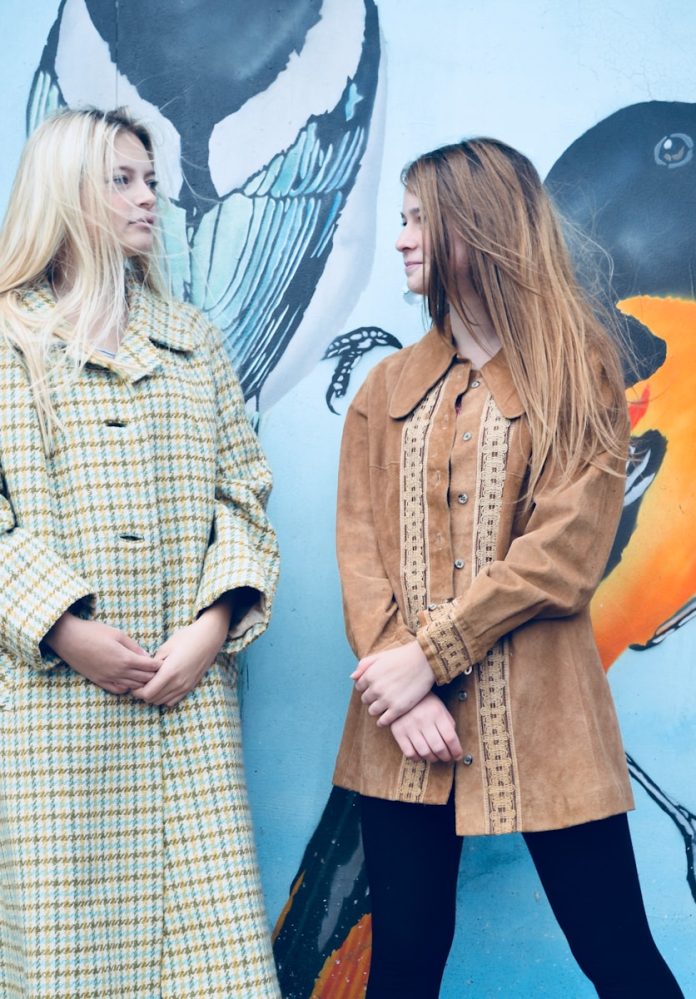
Another defining feature of modern style is the blending of cultures and eras. Contemporary fashion freely borrows from the past while reinterpreting it for the present. Y2K aesthetics, 1990s minimalism, and 1970s bohemian influences coexist on runways and streets alike. This mixing of timelines reflects a modern mindset that values nostalgia without being trapped by it. Rather than strictly reviving old trends, designers and consumers remix them, creating something familiar yet new.
Streetwear’s continued influence further illustrates how fashion hierarchies have shifted. Once dismissed as casual or rebellious, streetwear has become a dominant force in modern style. Hoodies, sneakers, and graphic tees now appear in luxury collections and formal settings, challenging traditional ideas of what is considered “high fashion.” This crossover highlights a broader trend: modern style thrives on contrast. The combination of refined tailoring with relaxed elements creates looks that feel relevant, dynamic, and authentic.
Perhaps the most significant way fashion trends are redefining modern style is through the values they promote. Inclusivity, authenticity, and responsibility are no longer side conversations—they are central to the fashion narrative. Brands are increasingly expected to represent diverse body types, cultures, and identities, and consumers are quick to hold them accountable. Style today is not just about how clothes look but about what they stand for.
In essence, modern fashion is less about following rules and more about rewriting them. It invites people to dress with intention, to question norms, and to see clothing as a form of communication rather than mere decoration. The trends shaping today’s style reflect a world that values diversity, comfort, sustainability, and self-expression. As fashion continues to evolve, one thing is clear: modern style is not defined by a single trend or aesthetic but by the freedom to choose, combine, and redefine what fashion means on an individual level.