
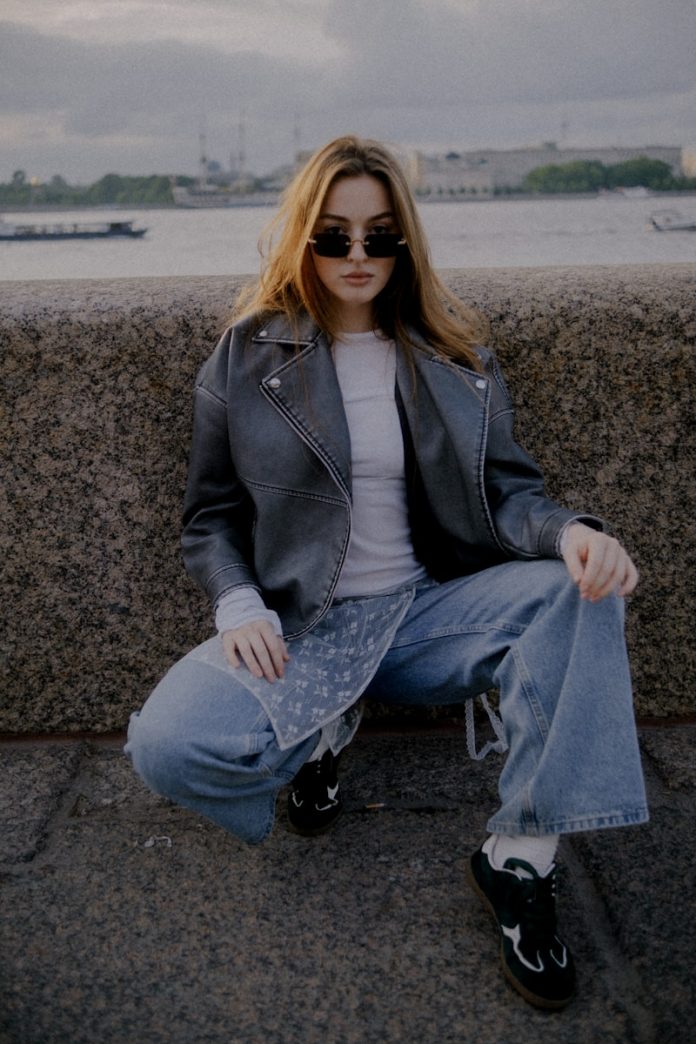
Fashion has always been a mirror of its time, reflecting social change, cultural shifts, and collective aspirations. In recent years, global runways—from Paris and Milan to New York, London, Tokyo, and Lagos—have become more than stages for luxury garments. They now function as creative laboratories where designers respond to climate anxiety, digital life, political expression, and evolving ideas of identity. Emerging fashion trends today are not defined by a single silhouette or color palette; instead, they are shaped by a convergence of sustainability, inclusivity, technology, and cultural cross-pollination. Together, these forces are transforming the way fashion looks, feels, and functions in everyday life.
One of the most dominant trends across global runways is the redefinition of sustainability. What was once a niche concern has become a central design philosophy. Designers are moving beyond surface-level eco-friendly messaging and integrating sustainability into the very structure of their collections. Recycled textiles, deadstock fabrics, biodegradable materials, and plant-based leathers are now showcased alongside traditional luxury materials. On European runways, heritage fashion houses are reworking archival designs using modern sustainable processes, while independent designers in Asia and Africa are highlighting local craftsmanship and low-impact production methods. Sustainability, as seen on the runways, is no longer about sacrifice; it is about innovation, storytelling, and responsibility woven seamlessly into style.
Another powerful shift emerging from global fashion weeks is the blurring of gender boundaries. Traditional distinctions between menswear and womenswear are steadily dissolving, replaced by fluid silhouettes that prioritize self-expression over convention. Designers are embracing oversized tailoring, flowing fabrics, and hybrid garments that challenge long-standing norms. Skirts paired with structured jackets, soft pastels in traditionally masculine cuts, and sharp tailoring reimagined for all bodies are increasingly common. This movement reflects broader conversations about identity and freedom, with runways becoming spaces where clothing serves as a language for authenticity rather than a set of rules.
Cultural fusion has also become a defining feature of contemporary runway trends. As fashion becomes more globalized, designers are drawing inspiration from their heritage while engaging in cross-cultural dialogue. This is evident in the use of traditional textiles, hand embroidery, and indigenous patterns presented in modern silhouettes. Designers from regions often underrepresented in mainstream fashion are gaining visibility, bringing new narratives to global audiences. African prints appear in couture contexts, South Asian craftsmanship influences eveningwear, and East Asian minimalism reshapes modern tailoring. Rather than imitation, this trend emphasizes respect, collaboration, and the celebration of diverse cultural identities.
Technology is another key force shaping emerging fashion trends. On global runways, innovation extends beyond fabric to include digital experiences and futuristic aesthetics. Designers are experimenting with smart textiles, 3D-printed accessories, and garments designed for both physical and virtual spaces. The rise of digital fashion—clothing created specifically for online avatars or augmented reality—has challenged traditional ideas of ownership and wearability. Runway shows themselves have evolved, incorporating immersive lighting, holographic elements, and virtual presentations that reach audiences worldwide. Fashion is no longer confined to the physical garment; it exists at the intersection of creativity and technology.
In contrast to futuristic experimentation, there is also a noticeable return to craftsmanship and tactile design. Many designers are emphasizing handmade details, visible stitching, and artisanal techniques as a response to mass production and digital saturation. This trend values imperfection, texture, and the human touch. Knitted pieces, patchwork designs, and hand-dyed fabrics appear prominently on runways, highlighting the time and skill involved in their creation. By showcasing craftsmanship, designers are reminding audiences that fashion can be slow, meaningful, and deeply personal.
Color and pattern trends emerging from global runways reveal a balance between optimism and introspection. Bold, saturated hues—such as electric blues, fiery reds, and vivid greens—signal a desire for energy and self-expression, while softer neutrals and earthy tones reflect comfort and grounding. Unexpected color combinations and playful prints suggest a rejection of minimalism as the dominant aesthetic. Instead, fashion is embracing emotional resonance, allowing wearers to express mood, confidence, and individuality through color and design.
Functionality has also taken center stage in recent runway collections. Influenced by changing lifestyles and the blending of work, leisure, and social spaces, designers are prioritizing versatility and comfort. Tailored garments now feature relaxed fits, adjustable elements, and practical details such as oversized pockets and modular layers. Sportswear influences continue to merge with high fashion, creating pieces that move easily between settings. This trend reflects a shift in how people live and dress, where adaptability is as important as appearance.
Inclusivity remains a crucial theme shaping emerging fashion trends. Global runways are gradually becoming more representative, showcasing models of different body types, ages, and backgrounds. Designers are expanding size ranges and challenging narrow beauty standards, signaling a more realistic and empowering vision of fashion. This shift is not just symbolic; it influences design choices, fabric selection, and construction techniques that accommodate diverse bodies. Inclusivity on the runway sends a powerful message that fashion is for everyone, not just a select few.
Ultimately, emerging fashion trends from global runways reveal an industry in transformation. Designers are no longer focused solely on aesthetics; they are engaging with the world around them, responding to social change, technological advancement, and environmental responsibility. The runway has become a platform for dialogue, innovation, and reflection. As these trends move from high fashion to everyday wardrobes, they shape how people express themselves and connect with the world.
In this evolving landscape, fashion is not just about what is worn but why it is worn. Global runways offer a glimpse into the future of style—one that values creativity with purpose, individuality with inclusivity, and beauty with awareness. As emerging trends continue to unfold, they remind us that fashion, at its best, is a powerful form of expression that adapts, evolves, and inspires across borders and cultures.