
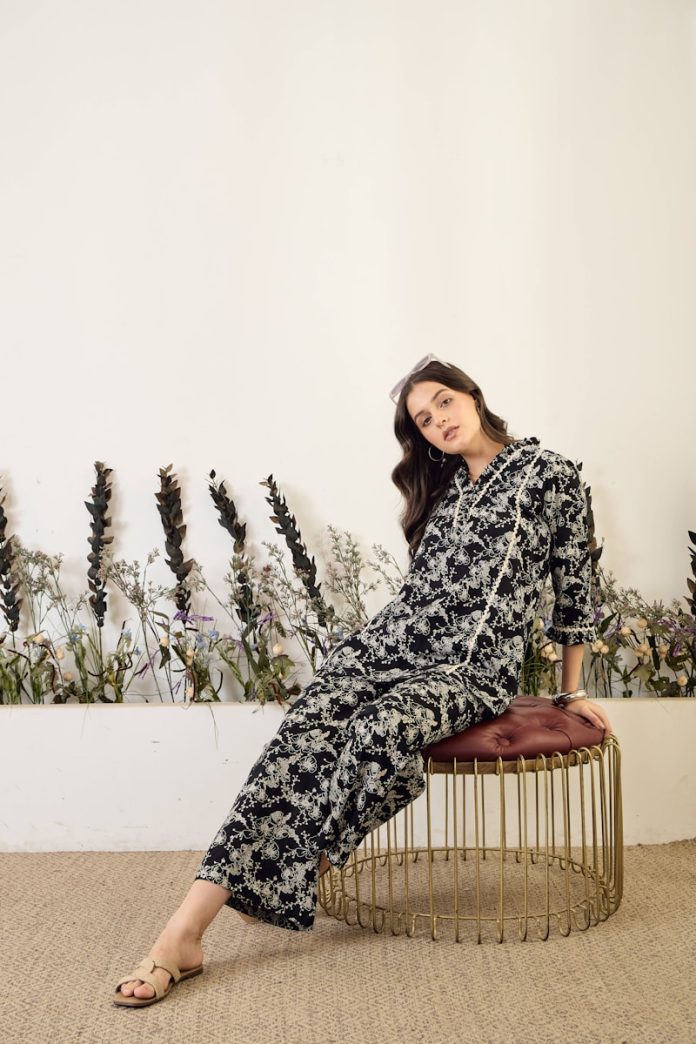
Fashion has always thrived on contradiction. It borrows from the past while insisting it is new, breaks rules only to invent better ones, and turns the overlooked into the essential. In recent years, this restless creativity has accelerated, producing trends that initially seem odd, impractical, or even ironic—until suddenly they’re everywhere, and you’re wondering how you ever lived without them. These unexpected fashion trends aren’t about shock value for its own sake. They reflect deeper shifts in culture, identity, sustainability, and the way people actually live. And once you understand where they come from, they start to feel not just wearable, but inevitable.
One of the most surprising shifts has been the redefinition of “ugly” fashion. What was once dismissed as awkward or unfashionable—chunky shoes, oversized silhouettes, clashing colors—has been reclaimed with confidence. This isn’t about trying to look strange; it’s about refusing to dress for approval. The popularity of thick-soled loafers, exaggerated sneakers, and boxy outerwear speaks to a generation that values presence over polish. These pieces ground an outfit, literally and figuratively, and they offer comfort without apology. In a world where daily life is increasingly unpredictable, clothing that feels sturdy and self-assured makes emotional sense.
Another unexpected trend gaining momentum is the rise of “quiet statements.” Instead of logos and loud branding, many people are gravitating toward subtle but distinctive details: asymmetrical seams, unusual textures, unexpected fabric combinations. A plain-looking coat might reveal sculptural sleeves when you move, or a neutral dress might be cut in a way that changes shape depending on how it’s styled. This trend reflects a growing fatigue with performative consumption. Wearing something interesting but not obvious feels more personal, like an inside joke between the wearer and the garment.
Gender boundaries in fashion have also softened in ways that feel both radical and natural. While androgynous clothing isn’t new, what’s different now is how casually it’s embraced. Skirts worn with tailored jackets, pearls layered over plain T-shirts, wide-leg trousers styled across all genders—these choices are no longer framed as statements. They’re just clothes. This shift has opened up design possibilities that were previously constrained by rigid categories. As a result, fashion has become more playful and expressive, allowing people to dress according to mood rather than expectation.
Perhaps one of the most genuinely unexpected developments is the comeback of practicality as a form of style. Cargo pants, utility vests, oversized pockets, and weather-ready fabrics have moved from niche functionality into mainstream wardrobes. This isn’t about pretending to be outdoorsy or tactical; it’s about acknowledging that people want clothes that work. The appeal lies in garments that adapt to real life—commuting, traveling, walking, sitting, living—without sacrificing visual interest. Practical fashion today doesn’t hide its usefulness; it celebrates it.
Closely tied to this is the renewed love for layering in unconventional ways. Instead of neat, predictable combinations, people are experimenting with dresses over trousers, shirts under corsets, knits over blazers, and scarves used as belts or tops. These layered looks feel spontaneous and slightly undone, as if assembled in motion rather than planned in advance. The beauty of this trend is its accessibility. It encourages creativity using what you already own, making personal style feel less about constant buying and more about reinterpretation.
Sustainability has also reshaped fashion in surprising directions. Rather than producing a uniform “eco look,” conscious fashion has diversified aesthetics. Visible mending, patchwork designs, and intentionally imperfect finishes have become desirable rather than apologetic. A jacket with mismatched panels or hand-stitched repairs tells a story. It signals care, time, and intention. This trend challenges the idea that newness equals value, suggesting instead that longevity and individuality are more fashionable than flawlessness.
Vintage influence continues to play a major role, but not in the expected way. Instead of strict decade-specific revivals, fashion now samples freely across eras. A single outfit might combine 1970s denim, 1990s minimalism, and early 2000s accessories without irony. This collage approach mirrors how people consume culture today—through fragments, references, and remixing. The result is style that feels personal rather than nostalgic, rooted in the present even as it nods to the past.
Color, too, has taken an unexpected turn. While neutral palettes remain popular, they’re often disrupted by a single bold or unusual shade: acidic green, dusty lilac, burnt orange, or electric blue. These colors appear in small but deliberate doses, transforming otherwise simple outfits into something memorable. This approach to color reflects a desire for optimism without excess. It’s not about being loud; it’s about being awake.
Accessories have followed a similar path. Instead of dainty finishing touches, many people are choosing pieces that dominate an outfit: oversized bags, sculptural jewelry, dramatic sunglasses. These items feel expressive and a little impractical, which is exactly the point. In an era where digital presence often outweighs physical experience, tangible, statement accessories bring attention back to the body and the moment.
What unites all of these unexpected trends is a quiet rebellion against perfection. Fashion is no longer obsessed with looking flawless, curated, or aspirational in a traditional sense. Instead, it values honesty, comfort, experimentation, and individuality. Clothes are allowed to be strange, layered, reused, or slightly wrong. And in that imperfection, they become more human.
Ultimately, the reason these trends are so easy to love is that they meet people where they are. They acknowledge complexity—of identity, of daily life, of taste—and offer flexibility instead of rules. Unexpected fashion isn’t about following trends blindly; it’s about being open to surprise. When you stop dressing for who you think you should be and start dressing for who you are, style becomes less intimidating and far more exciting. And that may be the most unexpected trend of all.