
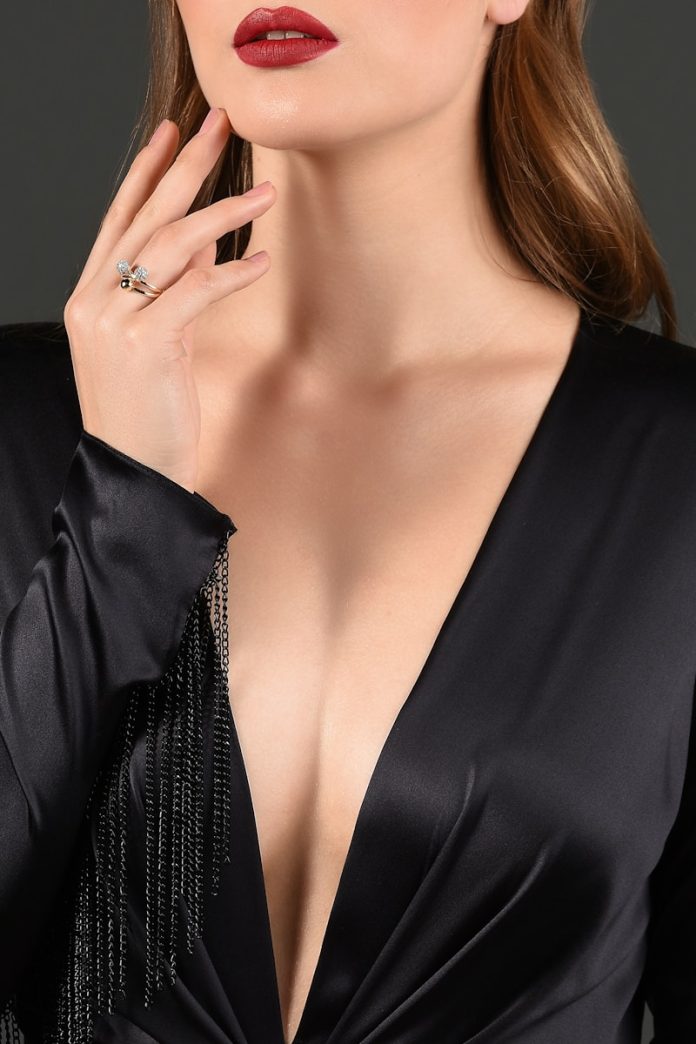
Style is often mistaken for something fleeting—tied to trends, seasons, or the approval of others. In reality, true style is far more personal and enduring. It is a reflection of self-awareness, confidence, and understanding what works for your body, lifestyle, and personality. While fashion rules come and go, certain style principles remain relevant across generations. These essential style tips are not about rigid guidelines but about empowering women to feel comfortable, polished, and authentic in what they wear.
One of the most important foundations of personal style is knowing yourself. This includes understanding your body shape, your daily routines, and the image you want to project. Clothes should work with your life, not against it. A woman who spends most of her day moving between meetings will have different style needs than someone working creatively or managing a household. Dressing well starts with choosing pieces that align with how you actually live, rather than how you think you should dress.
Fit is another cornerstone of good style. No matter how expensive or trendy an item is, poor fit can undermine the entire look. Clothes that skim the body properly instantly appear more refined and intentional. This doesn’t mean everything must be tight or tailored in a traditional sense, but it should feel balanced. Knowing when to size up, size down, or invest in simple alterations can transform even basic garments into flattering staples.
Building a reliable wardrobe foundation is equally essential. Trends can add excitement, but timeless basics provide versatility and ease. Well-made essentials such as a crisp white shirt, a structured blazer, comfortable jeans, and a classic dress create the backbone of countless outfits. These pieces allow for creativity without chaos. When your core wardrobe is solid, experimenting with color, texture, and accessories becomes far less intimidating.
Color awareness plays a powerful role in personal style. Understanding which shades complement your skin tone can make a noticeable difference in how you look and feel. Colors that suit you naturally enhance your features, while the wrong tones can appear draining. This doesn’t mean avoiding favorite colors altogether, but learning how to wear them strategically—perhaps farther from the face or balanced with flattering shades. Confidence often grows when you see how the right colors can brighten your overall appearance.
Accessories are often underestimated, yet they can completely redefine an outfit. A simple look can become intentional and stylish with the right pair of shoes, a structured bag, or thoughtfully chosen jewelry. The key is balance. Too many accessories can overwhelm, while too few may leave an outfit feeling unfinished. Developing a small collection of versatile accessories allows you to elevate everyday outfits without much effort.
Another essential style principle is dressing for your age without limiting yourself. Style has no expiration date, but it does evolve. Maturity brings clarity—knowing what feels authentic and what doesn’t. Rather than chasing trends meant for someone else’s stage of life, the goal is to adapt them in a way that feels appropriate and empowering. Elegance and modernity can coexist beautifully at any age when clothing choices reflect confidence rather than comparison.
Comfort should never be sacrificed for style. When clothes are uncomfortable, it shows in posture, movement, and attitude. True style allows freedom—both physical and emotional. This doesn’t mean avoiding heels, structured pieces, or bold designs, but it does mean choosing items you can wear with ease. When you are comfortable, you appear more confident, and confidence is the most stylish quality of all.
Understanding proportion is another often overlooked but crucial element. Balancing fitted and loose pieces creates harmony in an outfit. For example, pairing wide-leg trousers with a more fitted top or combining a flowing blouse with structured bottoms helps maintain visual balance. These small considerations can dramatically improve how an outfit looks without requiring major changes.
Personal style also benefits from restraint. Knowing when to stop is just as important as knowing what to add. A strong outfit usually has one focal point—whether it’s a bold color, an interesting silhouette, or a statement accessory. Allowing that element to shine without competing distractions results in a cleaner, more confident look. Simplicity, when done intentionally, often reads as sophistication.
Another valuable style tip is learning the power of grooming. Clothing alone does not define style. Hair, makeup, posture, and overall presentation play supporting roles. This doesn’t require perfection, but consistency. A polished appearance signals self-respect and attention to detail. Even the simplest outfit can look elevated when paired with neat hair and thoughtful finishing touches.
Style also involves knowing when to break the rules. Once you understand the basics, experimentation becomes more meaningful. Personal style thrives on individuality, and sometimes the most memorable looks come from unexpected combinations. Trusting your instincts and allowing yourself to evolve keeps fashion enjoyable rather than restrictive. Style is not static—it grows as you grow.
Finally, perhaps the most essential style tip every woman should know is that comparison is the enemy of confidence. Fashion inspiration can be helpful, but style is deeply personal. What works beautifully for one person may feel wrong for another, and that is perfectly fine. The goal is not to replicate someone else’s look but to refine your own. When clothing reflects who you are rather than who you think you should be, style becomes effortless.