
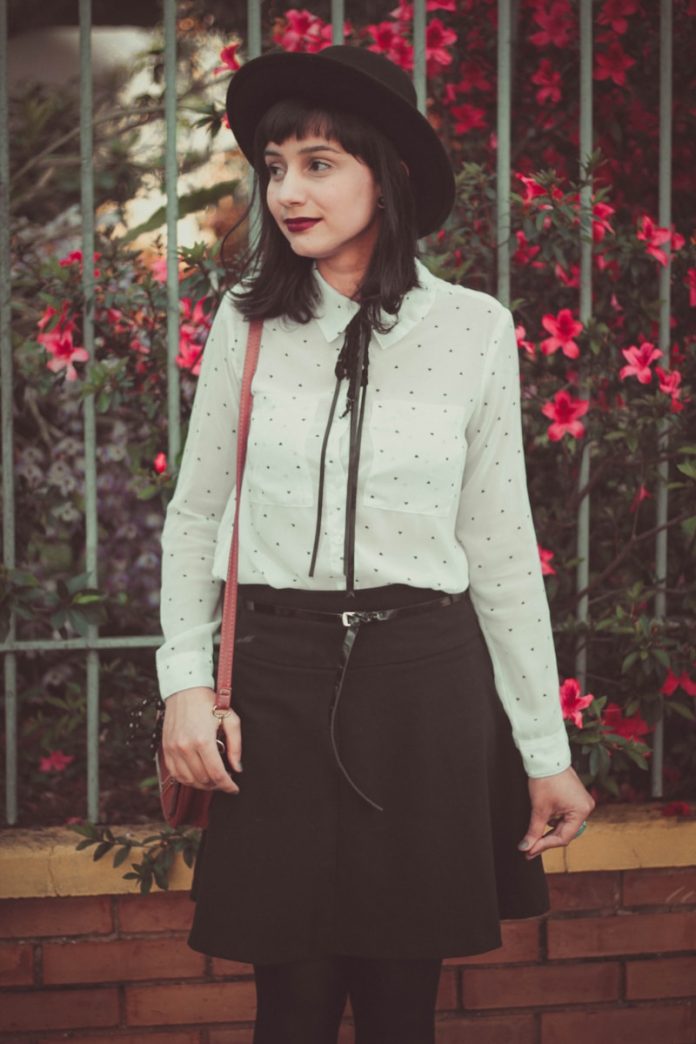
Vintage style has an undeniable charm. It carries stories, craftsmanship, and a sense of individuality that modern fast fashion often lacks. From the elegance of mid-century tailoring to the bold experimentation of the 1970s and 1990s, vintage clothing offers endless inspiration. Yet, one common fear stops many people from embracing it fully: the risk of looking dated, costume-like, or out of touch with the present. Wearing vintage well is not about recreating another era from head to toe. It is about balance, intention, and thoughtful styling that allows the past to coexist naturally with the present.
The key to wearing vintage without looking outdated begins with understanding that vintage is an influence, not a uniform. When an outfit looks dated, it is often because it adheres too strictly to a single time period. Head-to-toe retro styling can easily cross the line from stylish to theatrical. Instead, modern vintage dressing works best when older pieces are mixed with contemporary elements. A vintage blazer paired with modern denim, or a retro blouse styled with minimalist trousers, instantly grounds the look in the present.
Fit is one of the most important factors in making vintage clothing feel modern. Older garments were often designed with different body standards and silhouettes in mind. While the craftsmanship may be beautiful, the fit might not always align with contemporary tastes. Tailoring is your best ally here. Adjusting sleeve lengths, waistlines, or hems can transform a vintage piece from “old-fashioned” to effortlessly chic. When vintage clothing fits well, it looks intentional rather than inherited.
Another effective strategy is choosing vintage pieces that feel timeless rather than trend-specific. Certain designs transcend decades: crisp white button-down shirts, well-structured coats, straight-leg trousers, leather jackets, and simple knitwear. These items blend seamlessly into modern wardrobes because their shapes and functions remain relevant. Highly distinctive trends—such as exaggerated shoulder pads or overly ornate details—can still work, but they require more careful styling to avoid looking like a throwback.
Color plays a subtle but powerful role in modernizing vintage style. Some vintage palettes, while beautiful, can feel heavy or muted by today’s standards. Balancing these tones with modern neutrals or fresh colors can update the overall look. For example, a vintage earth-toned jacket can feel contemporary when paired with clean white sneakers or a sleek black bag. This contrast creates visual interest while keeping the outfit grounded in the present.
Modern accessories are another essential tool for refreshing vintage outfits. Shoes, bags, belts, and jewelry can instantly change how an outfit is perceived. Pairing a vintage dress with modern footwear—such as minimalist boots, loafers, or sleek sneakers—helps avoid a costume-like effect. Similarly, contemporary jewelry with clean lines can offset the nostalgia of older garments. Accessories act as a bridge between eras, subtly signaling that the look is intentional and current.
Hairstyling and grooming should not be overlooked when wearing vintage fashion. Even the most thoughtfully styled outfit can feel dated if paired with an overly retro hairstyle or makeup look. Keeping hair, makeup, and grooming modern helps balance vintage clothing. This does not mean abandoning creativity, but rather choosing restraint. A simple hairstyle or natural makeup allows the clothing to stand out without overwhelming the overall appearance.
Understanding proportion is another key to mastering vintage style. Many older garments feature silhouettes that differ from modern cuts—higher waists, longer hems, or boxier shapes. When styling these pieces, balance is essential. If one item is oversized or dramatic, keep the rest of the outfit streamlined. For example, a voluminous vintage blouse works best with fitted jeans or tailored trousers. This contrast keeps the outfit from feeling heavy or outdated.
Texture and fabric choice can also modernize vintage fashion. Mixing vintage fabrics with contemporary materials creates depth and relevance. Pairing a vintage wool coat with modern denim or a retro silk blouse with sleek leather pants adds contrast and freshness. These combinations prevent outfits from feeling too nostalgic and instead create a layered, intentional look.
Another important aspect of wearing vintage well is mindset. Vintage style is not about chasing nostalgia for its own sake; it is about appreciating quality, uniqueness, and personal expression. When worn with confidence, vintage clothing feels authentic rather than forced. Confidence signals that the outfit is a choice, not a coincidence. People who wear vintage successfully tend to treat it as an extension of their personality rather than a themed look.
Selective storytelling also matters. Wearing one standout vintage piece often has more impact than wearing several at once. A single item—such as a jacket, bag, or statement dress—can become the focal point of an outfit, allowing it to shine without overwhelming the look. This approach keeps the style modern while still honoring the uniqueness of vintage fashion.
Cultural awareness is also important when drawing inspiration from past eras. Fashion does not exist in a vacuum, and some styles carry historical or social contexts. Wearing vintage thoughtfully means understanding and respecting those origins while adapting them for contemporary life. This awareness adds depth to personal style and prevents fashion from becoming superficial imitation.
Modern layering techniques can further update vintage clothing. Layering is a hallmark of contemporary fashion and can make older pieces feel current. Wearing a vintage dress over a modern turtleneck or under a structured blazer introduces new dimensions. These combinations allow vintage items to function in ways they were not originally designed for, giving them new life and relevance.
Footwear, in particular, has a powerful impact on whether a vintage outfit feels dated or modern. Shoes often anchor an outfit in a specific era. Choosing contemporary styles—such as chunky boots, clean sneakers, or minimalist heels—can instantly update vintage clothing. Even when wearing vintage shoes, ensuring they are well-maintained and styled thoughtfully is crucial.
Ultimately, wearing vintage without looking dated is about balance, intention, and creativity. It requires an understanding of both past and present, as well as a willingness to experiment. Vintage style thrives when it feels lived-in rather than staged, personal rather than performative. By mixing eras, prioritizing fit, modernizing details, and wearing pieces with confidence, vintage fashion becomes timeless instead of trapped in time.
In a world of fast trends and disposable clothing, vintage style offers something refreshing: individuality with history. When worn thoughtfully, it allows the past to inform the present without overshadowing it. The goal is not to look like you stepped out of another decade, but to look like yourself—someone who appreciates where fashion has been and knows how to carry it forward.