
Fashion has always been shaped by time, but seasonal style trends bring that relationship into sharper focus. Each season arrives with its own mood, influenced by weather, culture, and collective emotion. What makes seasonal style trends you’ll see everywhere so compelling is not just their visibility, but the way they reflect how people want to feel at a particular moment. These trends are less about rigid rules and more about shared direction—subtle shifts that ripple through wardrobes, runways, and everyday life.
Seasonal fashion thrives on change, yet it rarely starts from scratch. Instead, each new season builds upon familiar elements, refreshing them with new textures, colors, and proportions. This continuity allows trends to feel approachable rather than overwhelming. When people recognize echoes of past styles or staples they already own, they are more likely to experiment. Seasonal trends succeed when they invite participation rather than demand reinvention.
One of the most noticeable aspects of seasonal style is the way color palettes evolve. Colors often act as emotional shorthand for the time of year. Lighter, softer tones tend to emerge during warmer months, reflecting openness and ease, while deeper, richer hues dominate cooler seasons, conveying comfort and introspection. These shifts are not accidental. They mirror changes in environment and mindset, subtly influencing how people dress and present themselves. Seasonal colors do more than decorate clothing; they help set a collective tone.
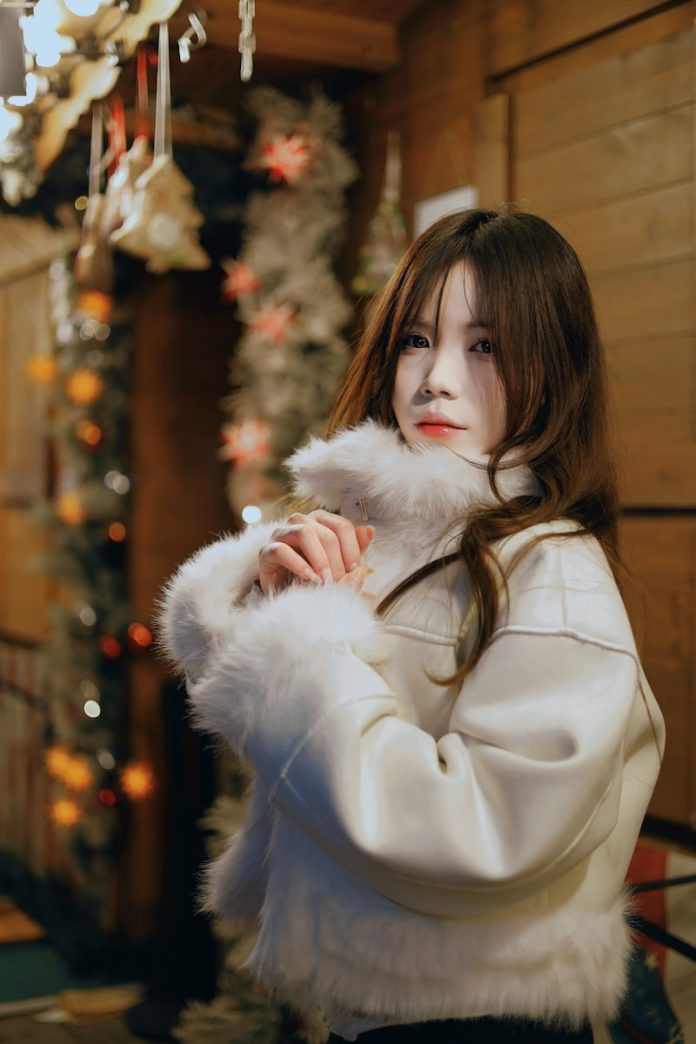
Fabric choice is another defining feature of seasonal trends. As temperatures change, so do the materials people gravitate toward. Breathable fabrics like linen and cotton become essential in warmer seasons, offering both comfort and effortless style. In colder months, heavier textiles such as wool, knitwear, and layered blends take center stage. Seasonal trends often highlight new ways to work with these materials, whether through unexpected layering, updated silhouettes, or innovative textures. The result is fashion that feels responsive rather than purely decorative.
Silhouettes also play a key role in shaping seasonal style trends. Warmer seasons often encourage movement and fluidity, leading to relaxed fits, flowing garments, and open shapes. Cooler seasons invite structure, with tailored coats, defined shoulders, and layered proportions creating visual depth. These shifts are not just practical; they reflect changing attitudes. Seasonal silhouettes influence posture, confidence, and even behavior, subtly shaping how people move through their environments.
What makes seasonal trends particularly powerful today is their connection to lifestyle changes. Modern life is more fluid than ever, with work, leisure, and social spaces frequently overlapping. Seasonal fashion responds by offering versatility. Pieces designed for one setting are easily adapted for another, reflecting the need for flexibility. A lightweight jacket suitable for transitional weather might also work for casual evenings or professional settings. This adaptability makes seasonal trends feel relevant rather than indulgent.
Accessories often act as the most visible markers of seasonal change. While core wardrobes may remain relatively stable, accessories provide an easy way to update a look. Seasonal footwear, bags, scarves, and jewelry introduce new textures and details without requiring a complete overhaul. These smaller elements allow individuals to engage with trends at their own pace, choosing how much or how little change feels right. Accessories make seasonal style more democratic, offering entry points for every taste and budget.
Cultural influences also shape seasonal style trends you’ll see everywhere. Music, film, travel, and global events all leave their imprint on fashion. A resurgence of interest in a particular decade, region, or aesthetic often coincides with broader cultural conversations. Seasonal trends become visual reflections of what society is thinking about, longing for, or questioning. This connection gives fashion a narrative quality, turning clothing into a form of nonverbal communication.
Social media has accelerated the spread of seasonal trends, but it has also diversified them. Instead of a single dominant look, multiple interpretations coexist. People adapt trends to their personal style, climate, and community, creating countless variations. This decentralization makes seasonal fashion feel more inclusive and authentic. Trends no longer belong solely to designers or influencers; they are shaped by everyday wearers who reinterpret them in real time.
Despite their constant evolution, seasonal trends are not meant to erase personal style. In fact, the most compelling fashion moments often occur when trends intersect with individuality. Seasonal styles provide inspiration, not instruction. They offer new ideas, color combinations, and silhouettes that people can integrate selectively. This balance between guidance and freedom is what keeps seasonal fashion engaging rather than exhausting.
Another important aspect of seasonal style trends is their growing alignment with sustainability. As awareness increases, many people are becoming more thoughtful about how they engage with trends. Instead of replacing entire wardrobes each season, there is a shift toward reworking existing pieces. Seasonal trends increasingly emphasize styling techniques—layering, mixing textures, or reimagining classics—rather than constant consumption. This approach allows fashion to remain dynamic while encouraging responsibility.
Seasonal fashion also reflects emotional rhythms. Certain times of year invite optimism and experimentation, while others call for comfort and familiarity. Clothing responds to these emotional needs, offering both expression and reassurance. A bright color or bold pattern might lift spirits during a transitional season, while cozy layers provide a sense of security during colder months. Seasonal trends succeed when they resonate emotionally as well as visually.
Ultimately, seasonal style trends you’ll see everywhere matter because they capture moments in time. They are snapshots of collective mood, creativity, and change. While individual trends may come and go, their purpose remains consistent: to help people navigate transitions, express identity, and connect with the world around them. Fashion becomes a shared language, spoken differently by each person but understood collectively.
As seasons continue to turn, new trends will inevitably emerge. Some will feel fleeting, others surprisingly enduring. What remains constant is the role seasonal style plays in everyday life. It reminds us that change can be playful rather than disruptive, and that personal expression can evolve without losing its core. In this ongoing cycle, seasonal fashion is not just about what we wear—it is about how we move through time, one season at a time.